How Car Key Replacement Works by Vehicle Brand
Not all replacement keys are created equal, and the process varies significantly depending on who built your vehicle. Ford and GM vehicles produced after the mid-1990s use PATS or VATS transponder systems that require the new key's chip to be recognized by the ECU — a process that demands professional programming equipment, not just a blade cut. Chrysler, Dodge, and Jeep models use their own tiered transponder architecture, and many post-2018 models require a dealer-level OBDII handshake that our field units are equipped to perform. Toyota and Honda keys, including the H-chip and G-chip families, are among the most common requests we handle in the New Windsor area — largely because both brands have strong ownership numbers throughout Orange County.
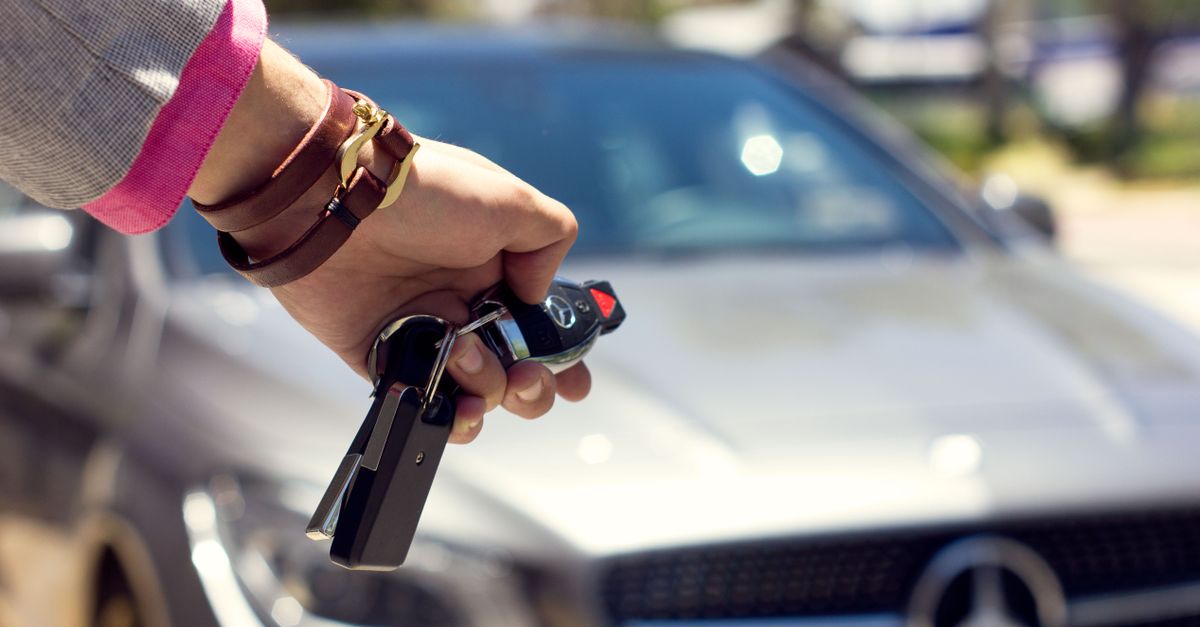
German and European brands add another layer of complexity. BMW, Mercedes-Benz, and Audi vehicles use encrypted key data and, on newer models, proximity smart keys that require VIN-matched programming sequences. Hyundai and Kia models — increasingly popular across the region — shifted to push-button proximity fobs on most trims after 2017, and our technicians carry the manufacturer-specific software profiles to program these on location. Regardless of brand, we verify your ownership documentation before any work begins, which protects both you and the integrity of the service.